
In Focus
- The NHTSA exempted Zoox of 8 federal motor vehicle standards
- The exemption allows the driverless vehicle company to offer paid rides
- Zoox must acquire state-level permits before deploying commercial robotaxis
The U.S. safety regulator has issued a temporary exemption to Zoox, enabling the autonomous driving startup to offer paid robotaxi services. The exemption was among the regulatory hurdles that the Amazon-owned firm needed to overcome before launching Zoox robotaxi services.
Which Standards Are Covered by the Zoox Exemption?
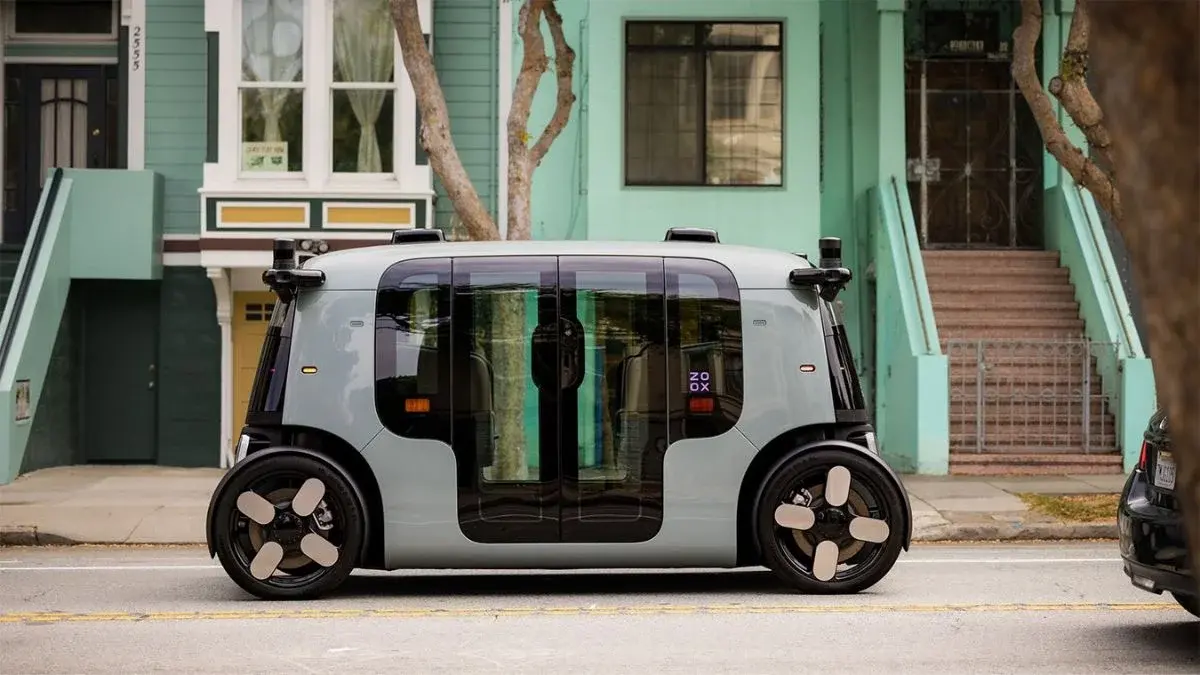
In total, the National Highway Traffic Safety Administration (NHTSA) exempted the autonomous vehicle startup of eight federal motor vehicle standards. These include light vehicle braking and windshield defrosting systems. Zoox custom-built robotaxis do not have many conventional controls like pedals and steering wheels, which are required under federal law.
“We are honored to receive the first-ever commercial exemption for a purpose-built robotaxi from NHTSA, enabling us to begin charging for our service and take another step toward bringing autonomous ride-hailing to more communities,” Zoox CEO Aicha Evans said as cited by TechCrunch.
How Will Zoox Rollout Paid Rides?
Following the exemption, the Amazon-owned startup will start offering Zoox paid rides in Las Vegas. The company said it will expand the paid Zoox robotaxi service to other markets as it complies with state-level commercialization requirements.
The company will require permits from the Department of Motor Vehicles and the Public Utilities Commission to deploy Zoox driverless taxis in the state. The new exemption caps Zoox’s commercial fleet at 2,500 vehicles annually for the next two years. The company will operate under an enhanced oversight framework that evolves as its autonomous driving technology changes.
Which Exemption Did Zoox Receive Last Year?
About a year ago, Zoox received a NHTSA exemption that enabled it to operate and demonstrate its robotaxis on public roads. The exemption allowed the driverless firm to offer rides to passengers in locations like San Francisco and Las Vegas without charging customers.
The NHTSA said it is updating its approval process to allow automakers to temporarily deploy a limited number of non-compliant vehicles for technology testing.
“By removing unnecessary barriers to innovation, developing industry guidance, and providing strong enforcement oversight while we create performance requirements, NHTSA is taking a balanced approach to AV regulation. These advancements will ensure that the United States continues to lead the world in AV technology in a safe and responsible manner,” NHTSA Administrator Jonathan Morrison said.
Zoox started testing self-driving vehicles in Phoenix and Dallas earlier this year. Its expansion will be gradual due to fleet limits and regulatory oversight. However, the exemption could accelerate competition by creating a framework for purpose-built robotaxis to commercialize ride-hailing services.
As regulators improve autonomous driving rules, companies that can demonstrate safety, reliability, and operational efficiency will be better placed to tap into the growing autonomous driving market.
What Zoox Approval Means for the Robotaxi Industry
The Zoox approval is a significant milestone for the driverless vehicle firm and the wider robotaxi industry. It moves autonomous ride-hailing closer to commercial deployment at scale. By allowing Zoox to charge passengers, NHTSA’s approval gives the Amazon-backed company a clear path to compete with established players like Waymo and Tesla.

.webp&w=750&q=75 "Meta Launches Enterprise AI Unit and Taps MongoDB CEO to Head it")
.webp&w=750&q=75 "GISEC 2026: AI Agent Security Puts Identity and Human Control in Focus")
.webp&w=750&q=75 "Microsoft Targets Enterprise AI With New Copilot Coding and Agent Tools")