
In Focus
MacBook Air is Apple’s most popular laptop model
Delivery time for online orders extend to two to six weeks
Apple is including "MacBook Air subject to availability" on marketing materials
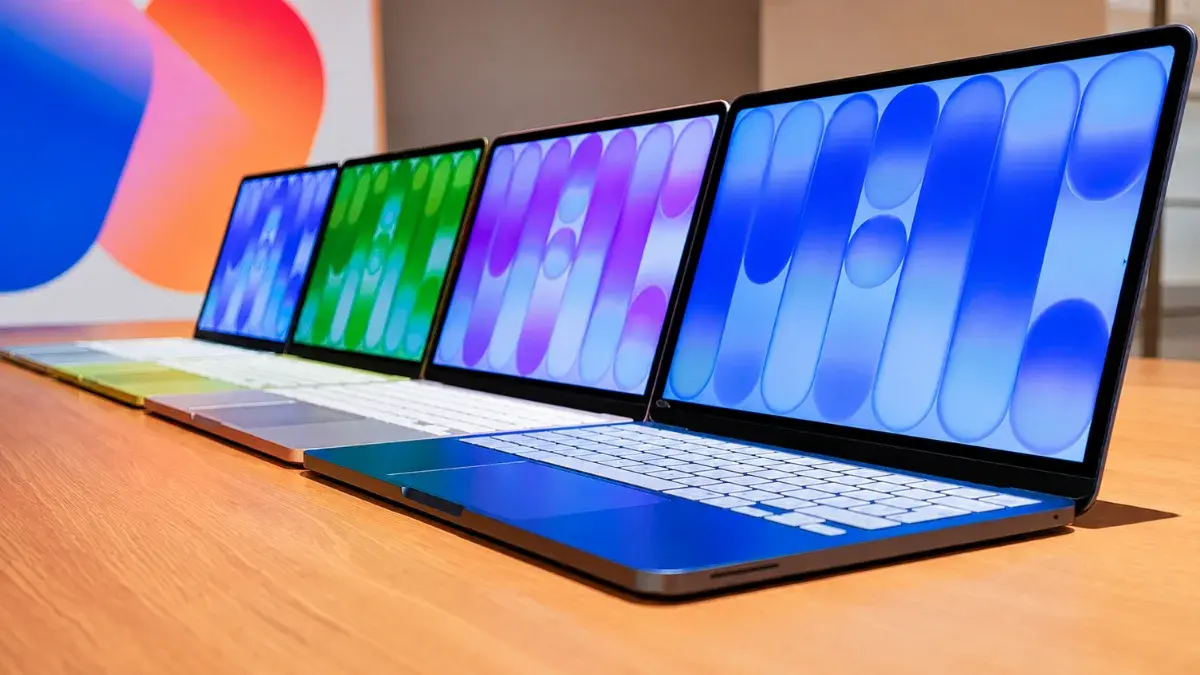
Apple’s most popular Mac, MacBook Air, has been hit hard by the global memory chip shortage. The tech giant is struggling to meet demand with delivery times on its online store ranging between two to six weeks. Buyers who order devices with higher RAM configurations experience longer MacBook Air shipping delays. Apple is experiencing a MacBook Air shortage after it hiked the base price from $1,099 to $1,299 in June.
Why are MacBook Air Prices Increasing?
The increase in MacBook Air prices is largely due to higher memory costs. Globally, supply chain constraints have made memory chips more costly for laptop makers. The chip shortage has been occasioned by rapid development of AI infrastructure. Companies like Meta, Nvidia, Amazon, and Microsoft are using massive amounts of memory chips to power AI data centers. Currently, AI infrastructure consumes about 70% of the global memory chip supply, up from about 40% two years ago. Leading memory manufacturers expect memory chip shortage to persist globally. In April, Samsung warned that supply constraints could last through 2027. SK Hynix said it has already sold out most of its 2026 memory production. In the U.S., Micron Technology has exited the consumer memory and is prioritizing AI data center customers. These actions have resulted in scarcity of DRAM and NAND flash chips required to make laptops, PCs, and other consumer devices.
What is Apple Doing to Ease the Supply Shortage?
To ease the supply shortage, Apple is reportedly sourcing memory chips from Chinese suppliers for devices sold in China. The company is also prioritizing sales of its entry-level MacBook Pro ahead of its expected M6 refresh. The memory shortage reportedly caused Apple to delay its back-to-school promotion. The shortage also caused Apple to steer customers toward MacBook Pro amid limited MacBook Air supply. Already, the iPhone maker is reportedly including the disclaimer, "MacBook Air subject to availability," to its marketing materials. During Apple's July 30 earnings call, CEO Tim Cook said the company has never seen a memory chip shortage like the current one in over four decades. "We're in what I would characterize as a 100-year flood on memory pricing with exponential increases in memory prices," Cook said as cited by MLQ.ai. Cook attributed the drop in Apple’s profit margins to higher memory costs. He added that the tech giant nearly doubled its inventory to lessen the impact on future price changes. Last year, analysts projected that an increase in RAM prices could push average smartphone costs up by nearly 7% in 2026.
What Next for Apple?
Apple faces a big challenge balancing strong MacBook Air demand with the rising component costs and limited memory supply. The tech giant could continue adjusting prices, shifting customers toward available models, and strengthening partnerships with memory suppliers. However, if the memory chip shortage persists through 2027, Apple could experience more pressure on its margins. However, the company’s large purchasing power and supply chain expertise could help it secure capacity and minimize the impact on future MacBook Air sales.

.webp&w=750&q=75 "Meta Launches Enterprise AI Unit and Taps MongoDB CEO to Head it")
.webp&w=750&q=75 "GISEC 2026: AI Agent Security Puts Identity and Human Control in Focus")
.webp&w=750&q=75 "Microsoft Targets Enterprise AI With New Copilot Coding and Agent Tools")