
In Focus
Governor Gavin Newsom signed the social media law on September 10
The new law mandates parental controls for chatbot applications
The law is known as “Adam’s Law” in honor of Adam Raine, who died by suicide
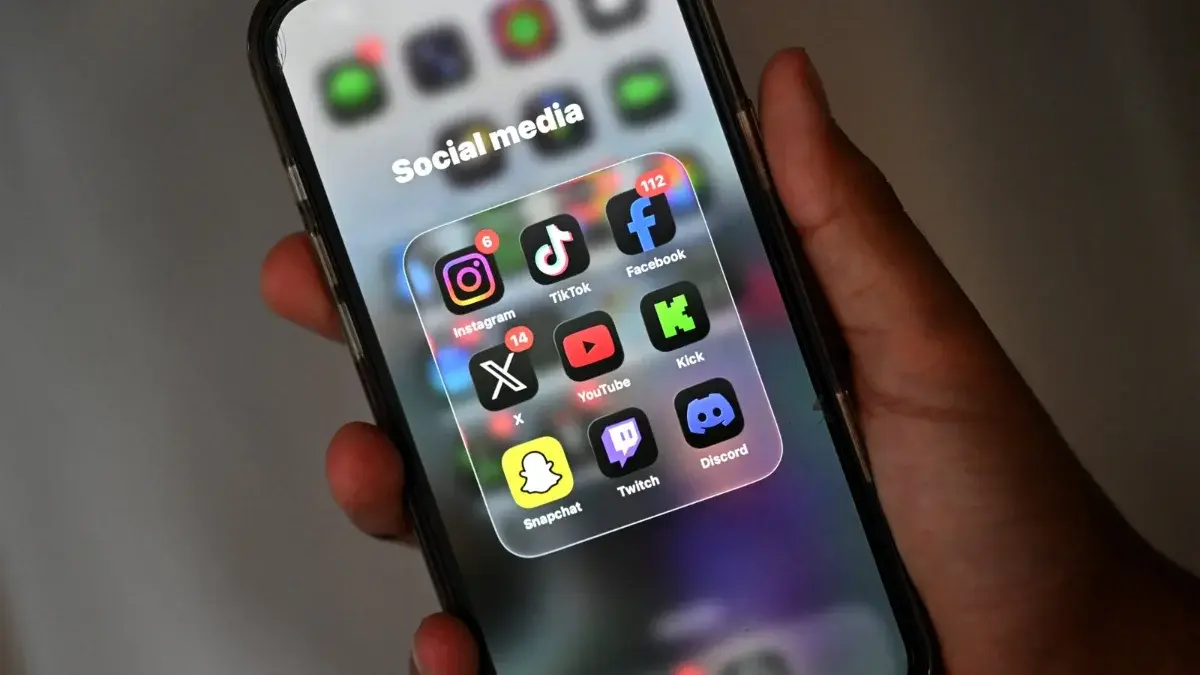
California has enacted a social media law banning under-16 users from accessing addictive features like infinite scrolling and algorithmic autoplay on social platforms. Governor Gavin Newsom signed the law on September 10; the new legislation contains the most comprehensive measures of their kind in the U.S.
What Measures Does the Social Media Law Introduce?
California’s social media algorithm law expands criminal penalties for child sexual abuse material to include digitally manipulated and AI-generated content that portrays anyone below 18 participating in sexual activity. Previously, only explicit images and videos were subject to criminal sanctions.
The new law also mandates parental controls for chatbot applications and requires developers to conduct broader safety and risk assessments. It also imposes a four-year ban on the production and sale of toys equipped with companion chatbots.
“We want our children, and every California kid, to grow up in a world where technology supports their wellbeing, rather than exploits their vulnerabilities,” Governor Newsom said in a statement as cited by Reuters.
The legislation was referred to as “Adam’s Law” in honor of Adam Raine, a 16-year-old who died by suicide in April 2025. His parents said he acted on suicidal thoughts which they believed had been validated during months of conversations with OpenAI’s ChatGPT. OpenAI acknowledged that ChatGPT’s protections can become “less reliable” as user conversations become engaging and committed to improving safeguards.
Not Everyone Supported the Under-16 Social Media Ban
Although California’s AI law for children enjoyed bipartisan support, not everyone in the state agreed with the restrictions it introduced. Critics such as the Electronic Frontier Foundation argued that the legislation limited young people’s access to the internet unnecessarily. They termed it “a massive privacy and free speech nightmare”.
California is among several U.S. states that have taken legal action against social media features that are deliberately designed to hook underage users, resulting in mental health harm. Utah was the first state to enact legislation restricting children’s access to social media. Several other states, including New York, Arkansas, Ohio, Louisiana, Texas, and Florida, have introduced similar measures.
However, social media rules in these states vary in scope and requirements. California’s under-16 social media ban comes weeks after Meta agreed to a $16.68 billion settlement to resolve a child safety court case filed by 29 states. The states had accused the social media giant of including addictive features in Facebook and Instagram. California hosts top tech companies including Meta, Google, Snap, and Apple.
Global Efforts to Curb Under-Age Social Media Access
Across the world, countries are moving to curb children’s access to harmful online content. Last year, Australia introduced a social media ban for under-16 users. However, reports indicate that the country struggles to prevent children from accessing social media platforms despite the ban.
Earlier this year, the U.K. announced plans to ban social media access for under-16 users. The British government plans to limit children's access to Snapchat, YouTube, TikTok, and Instagram.

.webp&w=750&q=75 "Meta Launches Enterprise AI Unit and Taps MongoDB CEO to Head it")
.webp&w=750&q=75 "GISEC 2026: AI Agent Security Puts Identity and Human Control in Focus")
.webp&w=750&q=75 "Nvidia Releases An AI Safety Software that Restricts and Monitors Agentic Activity")
.webp&w=750&q=75 "Microsoft Targets Enterprise AI With New Copilot Coding and Agent Tools")