
In Focus
Meta’s camera-free glasses could come in two styles: Clubmaster and Burbank
Analysts say the absence of a camera could create a differentiation challenge for Meta
The company is expected to unveil a new camera-equipped Ray-Ban model
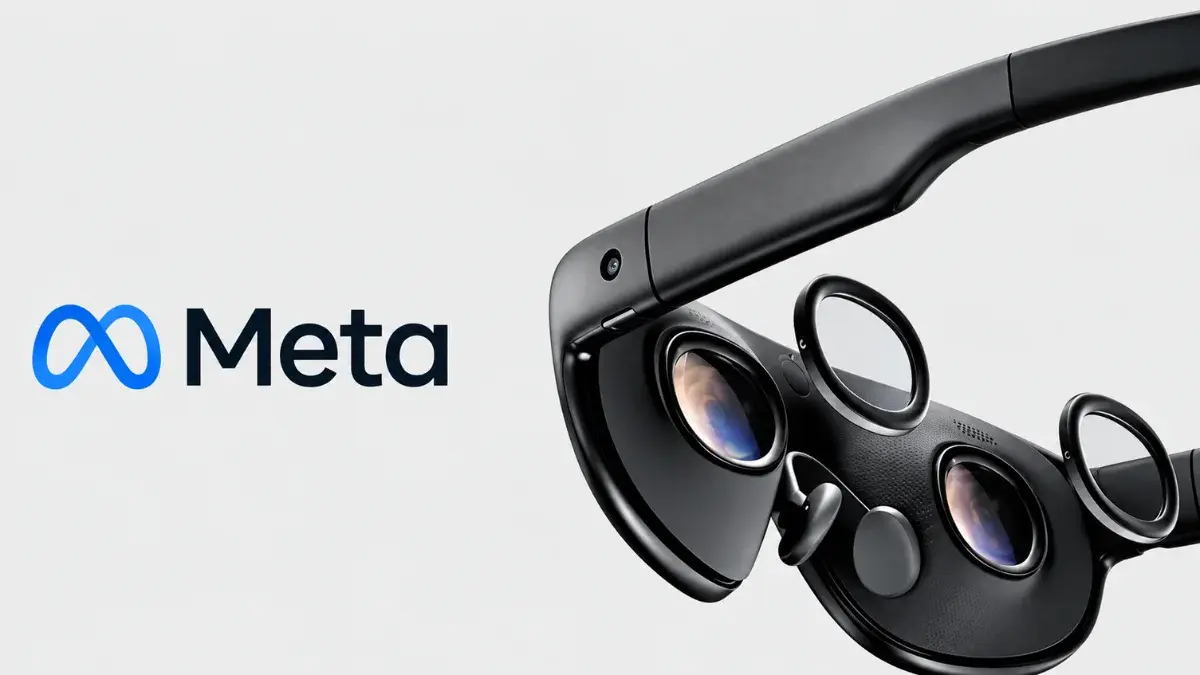
Meta is reportedly planning to launch new, camera-free smart glasses called “Luna” at the Connect 2026 event on September 23. The social media giant is expected to introduce the glasses amidst growing concerns over AI devices that can record people without their permission. Meta is expected to unveil two styles of its new smart glasses, Clubmaster and Burbank.
Will Removing the Camera Affect Meta’s Smart Glasses Sales?
Meta is an early leader in the smart glasses race. Last year, the company sold more than 7 million units of the smart glasses it co-developed with eyewear maker EssilorLuxottica. Early this year, the tech giant delayed the global rollout of its Ray-Ban smart glasses due to a supply shortage and high demand for the glasses in the United States.
Demand for Ray-Ban smart glasses has given Meta market dominance despite facing competition from other tech companies like Snap and Chinese firms Xiaomi and RayNeo. Analysts suggest that Meta’s Luna camera-free glasses could dent this demand. The camera, which allows users to capture photos and videos, is one of the most popular features in smart glasses.
“Removing the camera from glasses that also lack a heads-up display will create a product differentiation challenge. Consumers may ask why they need smart glasses rather than Bluetooth earbuds if the primary experience is limited to voice interaction, microphones and speakers,” Smart Analytics Global Founder, Linda Sui, noted as per Reuters.
The social media giant is also expected to unveil a new Ray-Ban model codenamed “Phoenix” at the Connect 2026 event. The new, lighter, and thinner augmented-reality smart glasses will reportedly feature a camera.
What Controversy Surrounds Meta Ray-Ban Glasses?
Despite their popularity, Meta smart glasses have sparked privacy concerns globally due to their ability to record people. The glasses have drawn legal action in multiple countries. In Germany, a digital rights advocacy group filed a complaint claiming that Meta’s Ray-Ban smart glasses violate the country’s privacy laws.
This is because they allow users to record other people without their knowledge. In the U.K., multiple restaurants, theaters, and pubs have restricted the use of the smart glasses within their premises. The glasses have also been banned in courtrooms in New York State. In California, Meta could face a class action for allegedly misleading users regarding privacy protections.
The class action could also allege that human annotators involved in training the company’s AI models viewed and labeled videos of people’s private moments after recordings from its smart glasses were uploaded to its servers. Meta has said it will contest the allegations in court.
Will Camera-Free Glasses Address Privacy Concerns?
Analysts remain apprehensive about whether removing cameras alone will fully address the privacy concerns surrounding Meta smart glasses. Camera-free glasses will still feature microphones and speakers, allowing users to interact with AI and make voice commands.
This raises questions about whether people’s conversations could be recorded and processed without their consent. Beyond removing the camera, Meta needs to provide clear privacy controls and transparency on how audio is collected and processed.

.webp&w=750&q=75 "Meta Launches Enterprise AI Unit and Taps MongoDB CEO to Head it")
.webp&w=750&q=75 "GISEC 2026: AI Agent Security Puts Identity and Human Control in Focus")
.webp&w=750&q=75 "Nvidia Releases An AI Safety Software that Restricts and Monitors Agentic Activity")
.webp&w=750&q=75 "Microsoft Targets Enterprise AI With New Copilot Coding and Agent Tools")