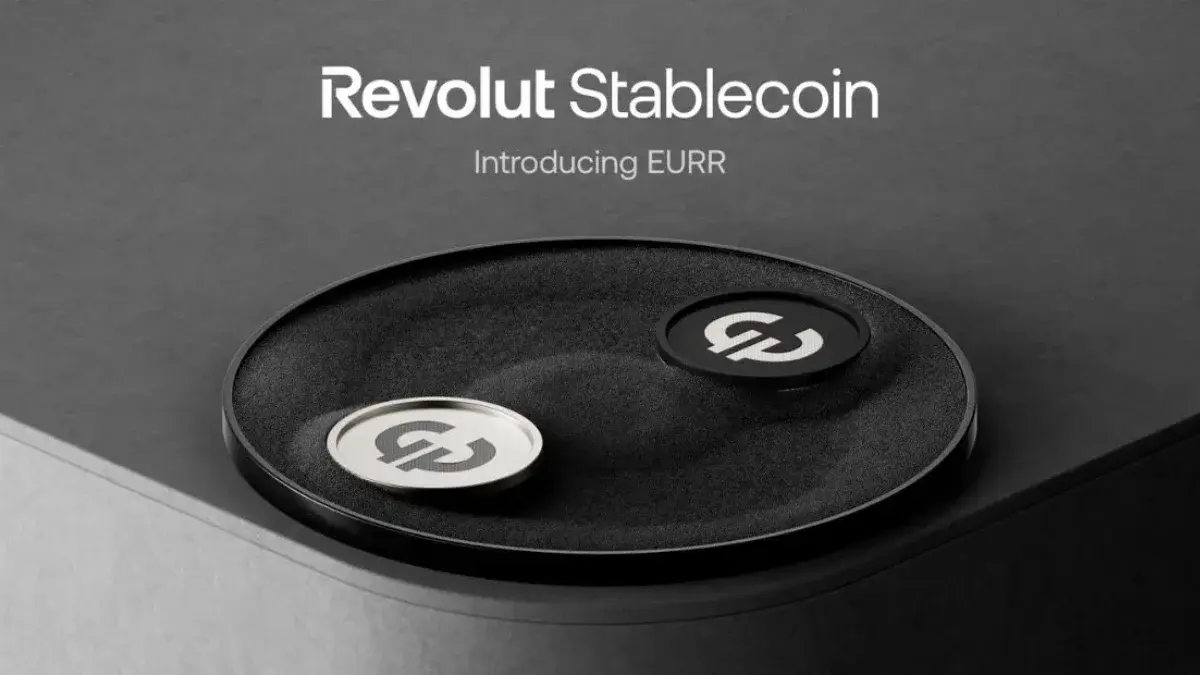

In Focus
- The EURR is a euro-backed stablecoin issued by Bridge
- The stablecoin is part of Revolut’s broader plan to expand stablecoin use in financial services
- Revolut’s euro-backed stablecoin is designed to maintain a value of €1.00
U.K. fintech firm Revolut has begun the phased rollout of EURR, a stablecoin backed by the euro and issued by Bridge company owned by Stripe. The launch moves Europe’s most valuable fintech into a stablecoin market that has been dominated by dollar-pegged tokens. Revolut’s EURR launches a week before the fintech firm removes USDT tokens from its European app.
Why is Revolut Introducing EURR?
Revolut launched EURR as part of a wider strategy to bring stablecoins into everyday financial services. The move is expected to make blockchain-based transactions more accessible to its customers.
With Revolut’s stablecoin, customers can move euro-denominated value between fiat currency, crypto, external wallets, and blockchain networks without converting into a dollar-denominated stablecoin.
“EURR connects 80mn Revolut customers directly to on-chain finance. By combining our global scale and licensed banking infrastructure with instant euro-denominated access to the crypto ecosystem, we are unlocking real-world stablecoin utility that no traditional bank or crypto native can match,” Revolut’s head of crypto and new bets, Emil Urmanshin said as cited by The Banker.
The EURR also strengthens Revolut’s position in the growing stablecoin market and paves the way for similar tokens in other currencies. The fintech’s valuation rose to $75 billion in November last year following a secondary share sale.
Why the EURR Stablecoin Matters to Revolut
Revolut launched the euro-backed stablecoin almost a year after receiving the Markets in Crypto Asset (MiCA) licence from the Cyprus Securities and Exchange Commission. This licence placed the company among the first major fintechs approved to offer crypto asset services across Europe.
The MiCA license supports Revolut’s long-term crypto expansion plan, which the company initiated nearly 10 years ago with the launch of crypto trading on the Revolut app in 2017. EURR is backed by reserves held and managed by Bridge, in accordance with the requirements of the MiCA regulatory framework.
Revolut’s stablecoin is designed to maintain a value of €1 and will be supported by several blockchain networks and external wallets. This means customers can transfer EURR to external wallets and use it across compatible crypto services and applications.
“EURR completely removes the pain of moving on and off-chain, becoming a new seamless and instantaneous bridge between fiat and crypto,” Iman Olya, product owner at Revolut said.
Revolut plans to introduce stablecoins tied to other currencies through separate regulatory frameworks. The fintech firm is exploring a sterling-pegged token backed by pound-denominated reserve assets. This is after the Financial Competition Authority in the U.K. added the company to the list of applicants for its stablecoin regulatory sandbox.
How is Revolut Rolling Out EURR?
Initially, Revolut’s euro-backed digital currency will be available to customers in Denmark, Poland, and Portugal. The fintech company plans to expand access to additional markets within the European Economic Area later in 2026, subject to operational and regulatory readiness.
The EURR stablecoin connects 80 million Revolut customers to on-chain finance. By combining a global customer base with regulated banking infrastructure, Revolut aims to offer stablecoin utility that sets it apart from traditional banks and crypto firms.

.webp&w=750&q=75 "U.S. Government Seeks to Back Elon Musk’s X in the EU Fine Appeal")

.webp&w=750&q=75 "DriveWealth Data Breach Exposes Revolut’s Irish Customer Data")