
In Focus
- UK job vacancies fell to 707,000 for May to July, the lowest level in over five years
- Small businesses are cutting recruitment fastest, citing labour and operating costs
- Analysts flag automation as a growing factor squeezing entry-level roles specifically
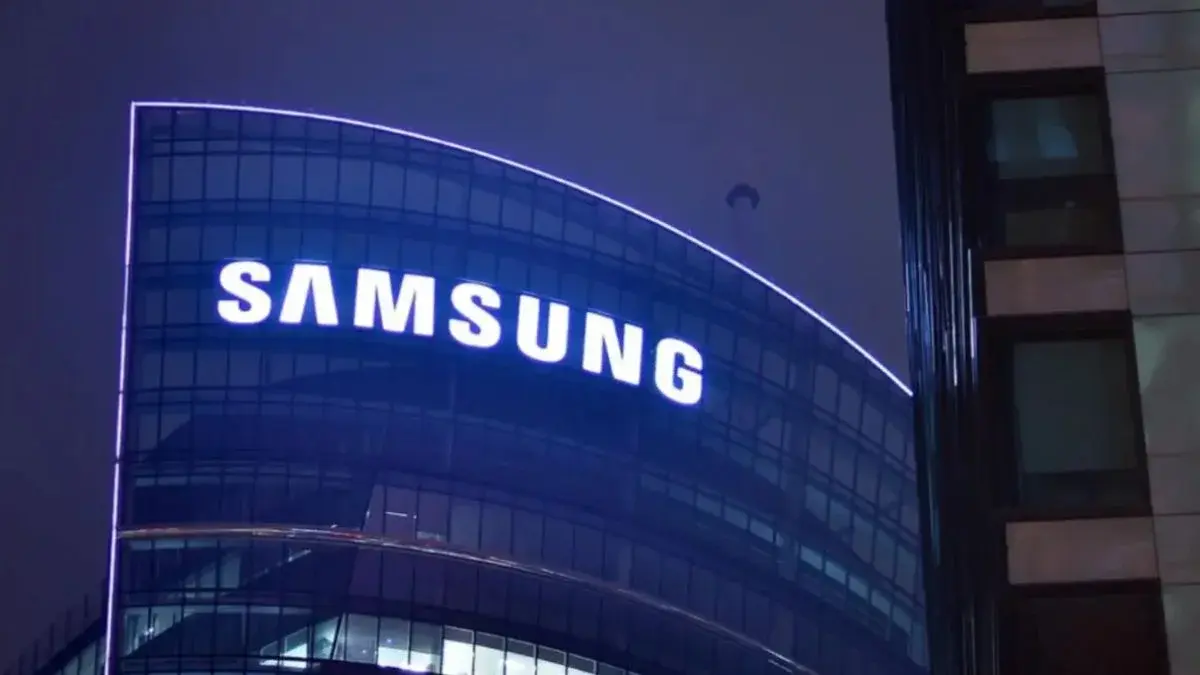
Samsung Electronics has raised prices for some advanced contract chipmaking services by up to 15% for new orders, according to Reuters, which cited two people familiar with the matter. The increase marks a sharp reversal for a foundry business that was cutting prices to attract customers as recently as earlier this year.
Which chips are affected by the price increase?
The hike applies to Samsung's most in-demand advanced process nodes, 4nm and 5nm, along with select 8nm nodes used specifically for automotive chips. That automotive detail matters. Samsung's foundry turnaround over the past year has leaned heavily on car makers, most notably Tesla, which committed $16.5 billion for Samsung to manufacture its next-generation AI6 chip and has since added orders for its AI5 chip as well.
Why is Samsung raising prices now instead of cutting them?
Earlier this year, Samsung was slashing prices on its 2nm process by roughly a third specifically to lure customers away from TSMC. That pricing pressure has now flipped entirely. Samsung Foundry returned to monthly profitability in June for the first time in three years, and rising order volume has given the company enough leverage to raise prices rather than discount them.
The shift lines up with a broader pattern across the chip industry this year, one we've tracked closely in our roundup of leading AI chip companies to watch. TSMC has already told major customers including Nvidia, Apple, and AMD to expect wafer price increases of 5% to 10% on its own 3nm, 5nm, and 7nm nodes, effectively giving foundries across the board more pricing power than they've had in years.
How tight is capacity right now?
Very. Samsung's 4nm production is sold out through 2026, with bookings already running deep into 2027. Demand is coming from three directions at once: AI infrastructure builders, high-performance computing customers, and automakers building next-generation autonomous driving silicon. New customers looking to get onto Samsung's advanced nodes are effectively being told to wait or pay the premium.
Samsung's own leadership doesn't expect this to ease soon. On the company's Q2 earnings call, an executive vice president in its memory business said the supply shortage expected in 2027 will likely worsen further and continue into 2028, a timeline that extends well past what most coverage of this pricing story has focused on so far.
What does this mean for the wider chip market?
The price hike is one more data point in a semiconductor market where the balance of power has shifted decisively toward manufacturers. We've covered how that competitive dynamic is playing out on the design side of the industry in our look at the ongoing GPU battle between Nvidia and AMD, and the same underlying pressure, too much demand chasing too little advanced manufacturing capacity, is now showing up directly in what customers pay to get chips made in the first place.
For companies relying on Samsung's foundry services, whether for AI accelerators, high-performance computing, or automotive chips, this signals that near-term cost relief is unlikely. With capacity booked out for years and Samsung's own executives projecting the shortage will deepen before it improves, customers without existing capacity commitments may find themselves negotiating from a weaker position for the foreseeable future.
For the full report, see Reuters' original coverage.

.webp&w=750&q=75 "Meta Launches Enterprise AI Unit and Taps MongoDB CEO to Head it")
.webp&w=750&q=75 "GISEC 2026: AI Agent Security Puts Identity and Human Control in Focus")
.webp&w=750&q=75 "Nvidia Releases An AI Safety Software that Restricts and Monitors Agentic Activity")