
In Focus
India is preparing a framework for UPI agentic payments
Unified Agent Protocol may launch next week in Mumbai
Groceries could be an early use case for AI agents
NPCI plans spending limits, audit trails and identity checks
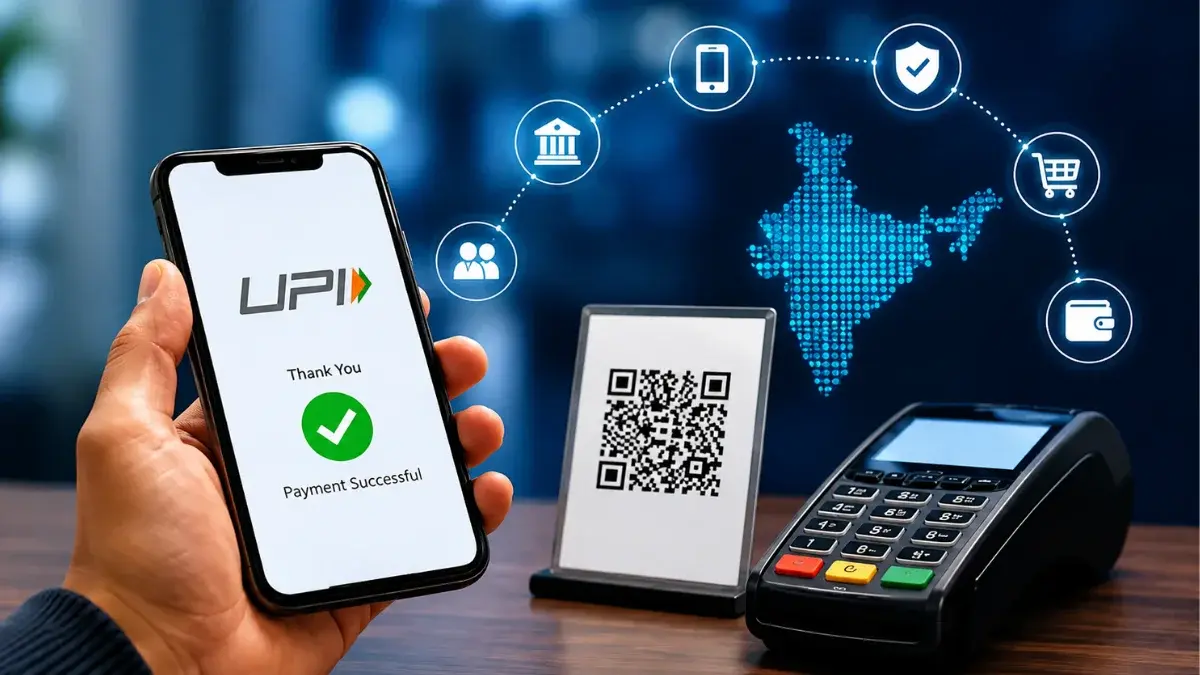
India is preparing a framework that would allow AI agents to make small digital payments through the Unified Payments Interface (UPI) without requiring user approval for every transaction. Three people familiar with the matter said the Unified Agent Protocol could be unveiled next week at the Global Fintech Fest in Mumbai. The initiative could position India among the early markets building national infrastructure for agentic AI payments in India, while extending UPI beyond human-initiated transactions. The National Payments Corporation of India (NPCI), which operates UPI, did not immediately respond to Reuters’ request for comment.
Join thousands of readers who receive the latest software reviews, expert comparisons, and industry news delivered straight to their inbox.
NPCI Plans Rule-Based UPI Payment Automation
The proposed NPCI agentic payments framework is expected to initially target low-value and frequent purchases, including groceries. E-commerce platforms could be among the first businesses to adopt the system. Over time, the sources said, AI agents could handle more complex transactions, such as placing orders when products reach specified discounts or making investments when predefined price thresholds are met. The framework is expected to use existing UPI mechanisms, including UPI Circle for delegated payment authority and Reserve Pay for blocking funds for multiple debits.
Banks currently cap Reserve Pay blocks at ₹10,000 for up to 90 days, although those limits could be reconsidered for agentic use. The proposed framework is also expected to give merchants infrastructure to integrate directly with the system. Users could establish rules defining when an AI agent can make a payment and how much it can spend. Spending limits, identity verification and audit trails are expected to provide controls around UPI payment automation, while NPCI is also expected to develop a liability framework.
UPI Agentic Payments Enter Competitive Market
India’s move comes as payment networks and fintech companies develop competing approaches to AI agents for payments. Mastercard completed an authenticated agentic transaction in New Delhi in June, while Visa is also developing agentic payment capabilities for India. Pine Labs launched its Pine Labs Payment Protocol (P3P) in June, enabling AI agents to complete UPI payments after customers provide authorization through a mandate. The protocol uses UPI Reserve Pay and other mandate mechanisms to allow transactions within predefined controls.
Pine Labs’ P3P is already live and supports agent-native payment flows in which users authorize payment capacity in advance. Its documentation describes controls covering authorization, transaction amounts, payment tokens and verifiable receipts. The company also lists AI shopping assistants, marketplace transactions, embedded commerce and autonomous procurement among supported use cases. This creates an emerging market in which payment providers, merchants and AI platforms are developing infrastructure for machine-initiated commerce.
What Agentic UPI Could Mean for Businesses
UPI processed 24.51 billion transactions worth ₹29.82 lakh crore in August 2026, making the payment network a significant platform for any expansion into agentic commerce. A national framework could give merchants a standardized way to support transactions initiated by AI systems while allowing consumers to establish spending rules in advance. For businesses, the development could create new requirements around merchant integration, authorization, transaction monitoring, identity verification and liability. The effectiveness of UPI agentic payments will depend on how these controls are implemented and how consumers adopt delegated payment models.


.webp&w=750&q=75 "DriveWealth Data Breach Exposes Revolut’s Irish Customer Data")
.webp&w=750&q=75 "Meta Connect 2026 Announcements: Muse Takes Center Stage")
.webp&w=750&q=75 "AI Shopping Agents Could Increase Fraud, Data Privacy Risks, Banks Warn")